Building a talented workforce is only part of the equation. Knowing how to build high-performing teams means creating the conditions in which people can communicate effectively, make better decisions and perform consistently. Below, we explore ten evidence-backed strategies that leaders can use to strengthen teamwork and improve business performance.
Why Are High-Performing Teams Important in Business?
High-performing teams combine individual expertise with shared goals, effective communication and mutual accountability. According to research, teams in the top quartile for employee engagement achieve 23% higher profitability than those in the bottom quartile, alongside higher productivity and lower absenteeism. The commercial value extends beyond individual output. Strong teams can make decisions faster, retain valuable knowledge and deliver more consistent customer experiences. For example, a sales team with clear responsibilities, regular feedback and shared performance goals can spend less time resolving internal confusion and more time serving customers.
What Are the Characteristics of a High-Performing Team?
There is no single formula for team effectiveness. However, research repeatedly identifies behaviours including trust, psychological safety, shared goals, effective communication and information sharing. The CIPD’s evidence review of high-performing teams recommends that leaders pay particular attention to team dynamics, cohesion, shared thinking, information sharing and reflection. McKinsey’s research into team effectiveness similarly identifies role clarity, alignment, execution and renewal as important areas for sustainable performance.
What Are 10 Ways to Build High-Performing Teams?
1. Establish Clear Goals and a Shared Purpose
High-performing teams need a clear understanding of what they are working towards, how success will be measured and the behaviours expected along the way. The Institute of Directors recommends setting specific, measurable and time-bound goals while connecting employees to a wider organisational purpose. This approach is reflected in Sir Clive Woodward’s leadership philosophy. After leading England to victory at the 2003 Rugby World Cup, Clive has shared the principles behind building winning cultures with business audiences. His concept of Teamship focuses on creating shared standards and collective responsibility, demonstrating how clear expectations and common goals can turn individual talent into coordinated team performance.

2. Create Clearly Defined Roles
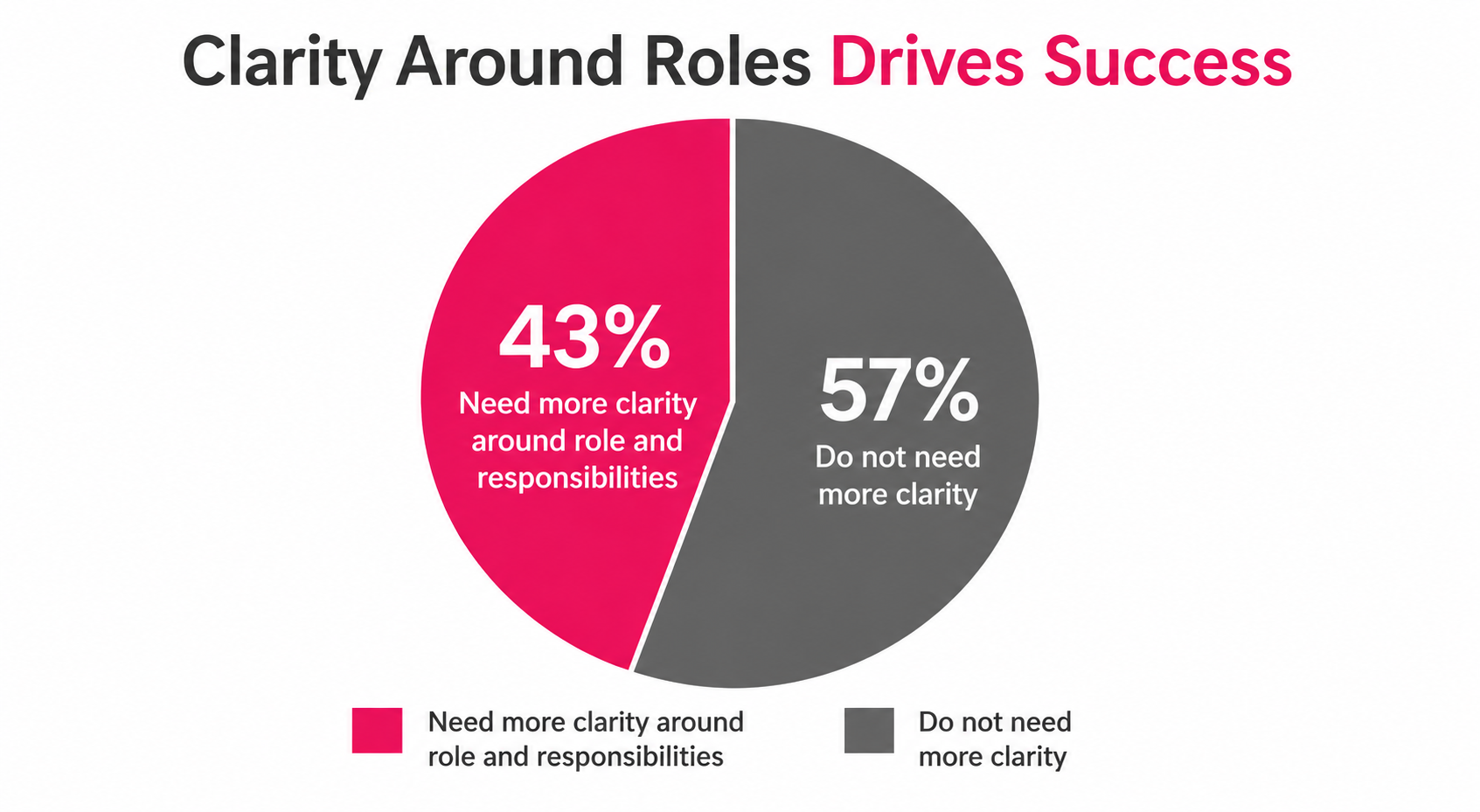
Even highly skilled teams can struggle when responsibilities overlap or employees are unclear about who owns a decision. Role clarity helps reduce duplication, strengthen accountability and ensure that individual expertise is directed towards the right priorities. Research found that 43% of people managers said clarity around their role and responsibilities was what they needed most to succeed. Clear responsibilities, decision-making authority and performance expectations give employees greater confidence in what they own, helping teams collaborate efficiently while reducing the risk of important work being duplicated or overlooked.
3. Build Psychological Safety and Trust
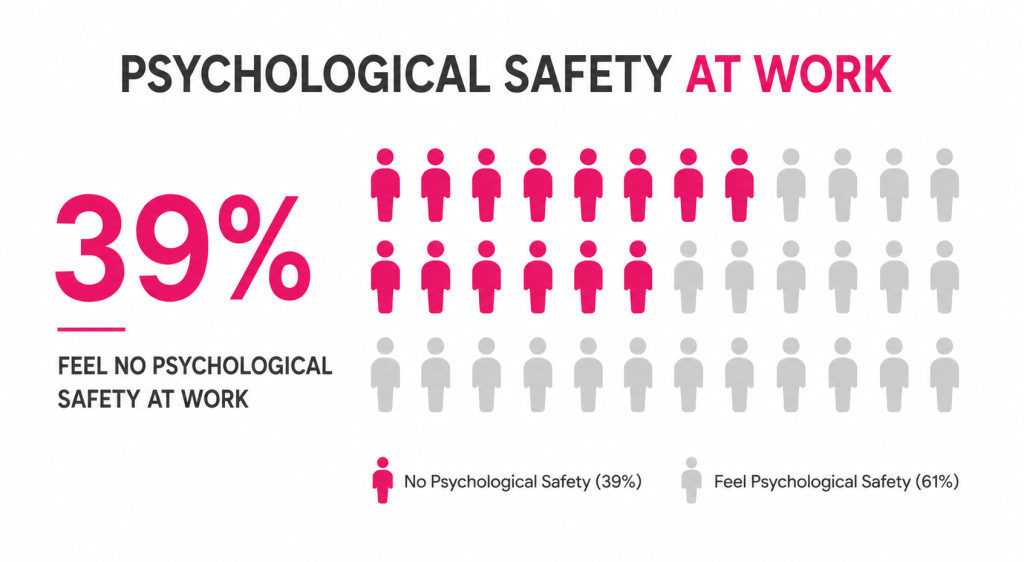
High-performing teams need an environment where people can raise concerns, challenge decisions and admit mistakes without fear of unfair consequences. This psychological safety supports better communication, learning and decision-making. Research associated with Carey Lohrenz found that 39% of working Americans feel no psychological safety at work, highlighting the scale of the challenge for leaders. Carey Lohrenz, the first female F-14 Tomcat pilot, shares her experience in high-pressure aviation depended on trust, clear communication and the confidence to speak up. Carey now translates these principles into business, speaking about leadership, teamwork, reducing errors and winning under pressure, helping organisations understand how trust can strengthen team performance.
4. Improve Communication and Information Sharing
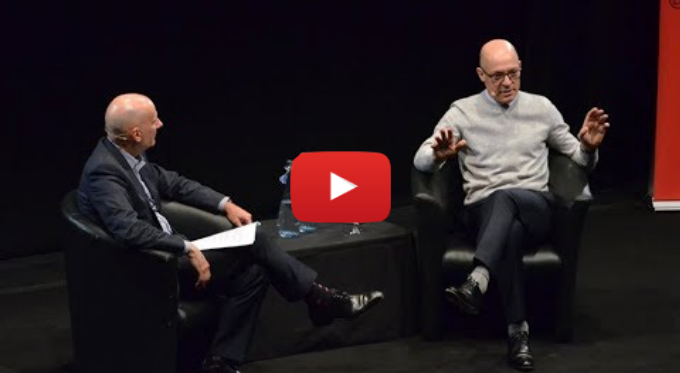
High-performing teams depend on the right information reaching the right people quickly. Information sharing as an important driver of team effectiveness, particularly because it enables teams to make better use of each member’s expertise. This principle is central to Christian Horner’s experience of leading in Formula One, where drivers, engineers, strategists and operational teams must work towards the same objective in a high-pressure environment. Drawing on more than two decades at the highest level of motorsport, Christian speaks about leadership, teamwork and peak performance, demonstrating how coordinated teams can communicate effectively, combine specialist expertise and make critical decisions under pressure.
Source: CIPD

5. Make Continuous Improvement Part of the Culture
High performance is rarely created by one major intervention. Teams benefit from regularly examining processes, identifying weaknesses and making practical improvements that compound over time. Few figures are more closely associated with this approach than Sir Dave Brailsford, creator of the Marginal Gains Theory. His philosophy focuses on making incremental improvements across multiple areas to strengthen overall performance. It gives business leaders a useful alternative to waiting for major transformation projects before addressing inefficiency. The CIPD recommends team reflection and well-planned interventions, including debriefing and goal setting. Embedding these practices encourages teams to learn continuously rather than repeating inefficient processes simply because they have become familiar.
6. Develop Leaders Who Can Coach Performance
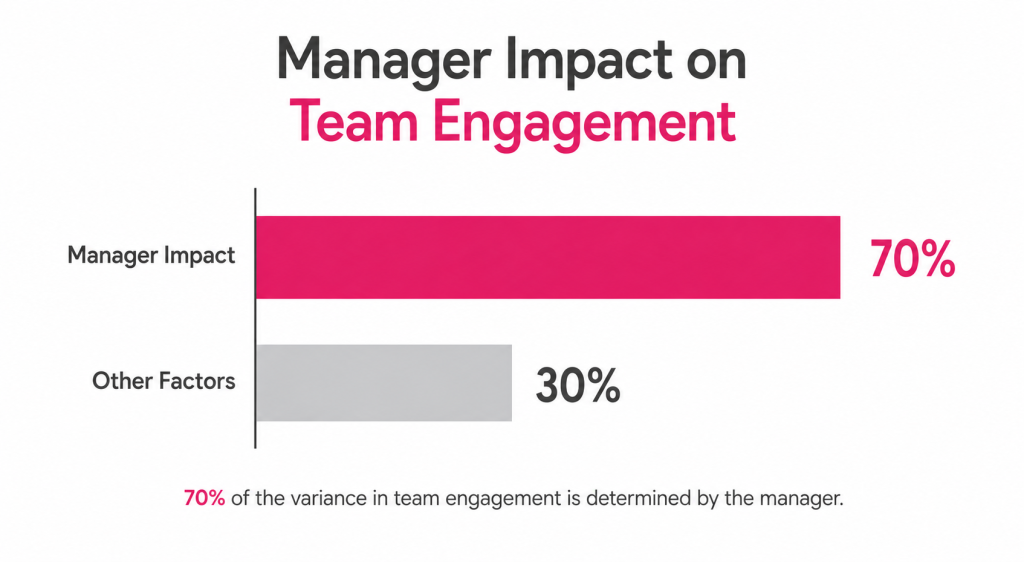
Managers have a significant influence on whether talented employees perform effectively together. Gallup reports that 70% of the variance in team engagement is determined by the manager, making strong leadership an important driver of team performance. This is reflected in Dr Jo Salter MBE’s career. As the RAF’s first female fast jet pilot, Jo operated in an environment where leaders had to build capable teams while making effective decisions under immense pressure. She has described leadership, including leading yourself, leading others and building successful teams, as a central part of her RAF experience. Now a leadership speaker, Jo applies those lessons to leadership, peak performance and analytical thinking, helping organisations develop leaders who can strengthen the performance of the people around them.
7. Create an Inclusive Team Environment
A team cannot make full use of its collective expertise i certain employees are routinely overlooked. Inclusion therefore has a practical role in high performance, particularly when businesses want teams to challenge assumptions, solve complex problems and understand diverse customers. Research shows that involving employees throughout inclusion efforts, developing managers’ capabilities and using data to evaluate progress. Leaders should actively invite different perspectives and ensure opportunities, recognition and development are accessible fairly. For brands, this matters internally and externally. An inclusive team is better positioned to consider different customer experiences and identify assumptions that could otherwise affect products, campaigns or services.
Source: Institute of Directors
8. Prepare Teams to Perform Under Pressure
Performance matters most when conditions become difficult. Tight deadlines, organisational change and unexpected setbacks test whether teams can retain clarity rather than allowing pressure to undermine communication and decision-making. Sir Steve Redgrave provides a valuable perspective on sustained performance, having won Olympic rowing gold at five consecutive Games. As a speaker, he explores preparation, overcoming obstacles, teamwork and what it takes to succeed over the long term. His experience demonstrates why organisations should prepare for demanding situations before they occur. Businesses can apply this principle through scenario planning, clear escalation procedures and defined responsibilities. Preparation reduces uncertainty and gives employees a framework for responding when circumstances change quickly.

9. Use Feedback and Reflection to Learn Faster
High-performing teams evaluate how they work, not just what they deliver. Structured reflection gives employees an opportunity to identify why a project succeeded, where communication failed and which lessons should influence future decisions. The CIPD specifically identifies team reflection as an important component of effectiveness and highlights debriefing sessions among useful interventions. Leaders can introduce short post-project reviews, regular feedback conversations and opportunities for employees to challenge existing processes. Reflection should lead to action. When lessons are documented, assigned and revisited, businesses can convert individual experience into organisational knowledge, helping future projects avoid repeated mistakes and improving consistency over time.
10. Measure the Behaviours That Drive Performance
Revenue and output show what a team achieved, but they do not always explain why. Leaders should therefore monitor indicators such as engagement, retention, quality, collaboration and customer outcomes alongside conventional financial measures. Gallup’s latest employee engagement meta-analysis examined 183,806 business and work units containing more than 3.35 million employees and found employee engagement was related to all 11 performance outcomes studied, including productivity, profitability, turnover and quality. Measurement allows leaders to identify problems before they become embedded. The objective is not to monitor employees excessively, but to understand whether the working environment is supporting sustainable performance and where targeted action is required.
Hire a High-Performing Teams Speaker Today!
Understanding how to build high-performing teams can help organisations strengthen leadership, engagement and sustainable business performance. A specialist high-performance speaker can bring these principles to life through first-hand experience and practical lessons for your audience. To view the full list of the leading keynote speakers on high-performance, visit: The World’s Best Keynote Speakers on Building High-Performance Teams in 2026.
If you are interested in hiring a high-performing teams speaker, contact us today by calling us on 0203 0070 319, or alternatively, fill out our online online contact form.